
If you’ve ever asked, ‘Can you swim on your period without a tampon?’, the answer is yes.
Let us cut to the chase: Swimming during your period is possible without a tampon and can be both comfortable and convenient.
Water gently tempers flow while reusable menstrual discs and cups offer discreet, reliable protection. Free from discomfort, waste, and worry, you can embrace the water with confidence, turning a once-daunting experience into an empowering, sustainable ritual of ease and control.
At nixit, our approach is simple with no shame and just facts. Whether you are hitting swimming pools, catching waves at the beach, or just floating in a lake, you deserve to feel confident. Going swimming without a tampon is easier than ever.
Let us dive into the science of what happens in the water, why tampons might be holding you back, and which tools will help protect you from leaks.
The freedom to swim without worry can improve the experience for anyone who enjoys aerobic exercise. Swimming can help relieve period pain naturally, making it an excellent option for competitive swimmers and casual water lovers alike.
What Happens to Your Period in Water
Being on your period doesn't have to stop you from enjoying water activities. In fact, swimming can help reduce menstrual cramps.
Here's what happens to your flow when swimming during your period and how to stay comfortable and protected.
How Water Pressure Slows Menstrual Flow
When you submerge your body in water, hydrostatic pressure creates a gentle upward force against gravity. This water pressure acts like a subtle kink in a garden hose, helping to temporarily slow your menstrual flow, whether you use a tampon or menstrual disc/cup.
Think of it as a natural barrier that works in your favor. If you cough or strain, some menstrual blood may still escape, so having reliable period protection is important.
It won't stop your period, but the water pressure significantly reduces what comes out while you are underwater. This fascinating physiological response gives you a natural advantage even before selecting a product to manage your flow, whether you're experiencing lighter or heavier flow days.
Swimming can also help ease menstrual cramps. The gentle resistance boosts circulation and eases tension in the abdomen and lower back, while water’s buoyancy relieves pressure on joints and relaxes pelvic muscles. These effects can make staying active during your period much more comfortable.
How to Maintain Hygiene Safely
Swimming during your period is completely safe. Swimming pools use chlorine that actively eliminates infection risks. However, open water environments like lakes or oceans contain bacteria.
It is always smart hygiene to thoroughly rinse off your body, clean your period product options immediately afterward, and use a gentle vaginal wash if desired. Taking these small steps helps you stay comfortable all day while reducing any risk of vaginal infections.
Key Insight: Water pressure doesn't completely stop your period, but it drastically reduces the flow underwater. This natural upward force makes swimming much more manageable than you might expect, especially on lighter flow days. |
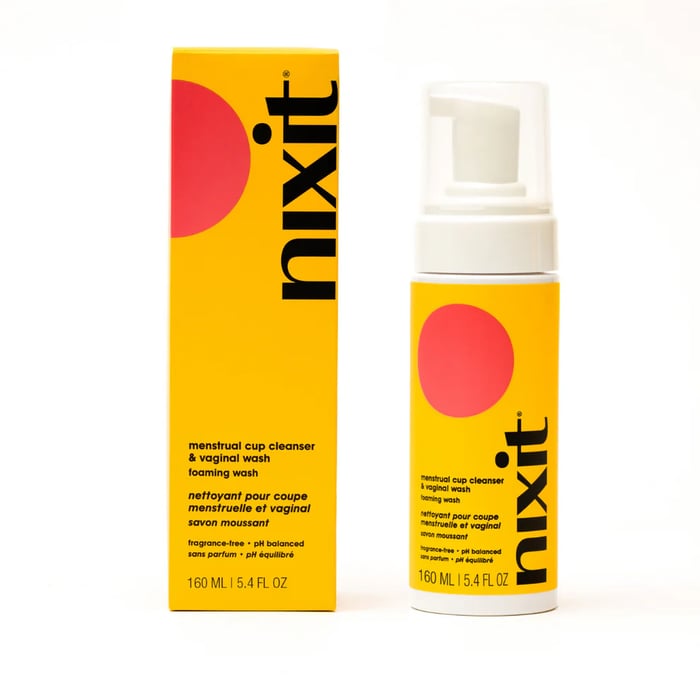
nixit vaginal wash
Why Skip Tampons When Swimming?
Making the switch to tampon-free swimming brings notable benefits for both your body and the planet. Here is why you might want to leave disposables behind for good.
Water Absorption
Tampons naturally absorb water, leading to rapid swelling, internal discomfort, and compromised effectiveness.
Fiber Shedding
Traditional disposables can shed synthetic microfibers into your body and the natural environment.
Toxic Shock Syndrome Risk
Though rare, toxic shock syndrome (TSS) remains a very real concern with highly absorbent traditional products left in too long. Choosing to swim on your period without a tampon lowers the risk of toxic shock syndrome, making it safer for your menstrual cycle.
Peek-Through Panic
Tampon strings sneaking out of your swimsuit can cause unnecessary stress about stains when you should be relaxing. Nobody wants embarrassing spots, which is why you need an alternative solution that stays discreet, prevents leaks, and lets you enjoy the water with confidence.
Waste and Cost
Over five years, tampons can cost $600–$900, while a reusable menstrual disc or cup costs only $40–$50.
In the United States alone, approximately 12 billion pads and 7 billion tampons are discarded each year. A single pad can contain as much plastic as four plastic bags. Disposing of pads creates immense waste.
Can You Dive on Your Period?
Yes, you can dive while menstruating, and a menstrual disc is a suitable option for this activity. As you descend, water pressure intensifies, roughly one additional atmosphere for every 33 feet (10 meters), which further slows menstrual flow, making leakage less likely than surface swimming.
Menstrual discs work well for diving because they collect menstrual blood internally rather than absorbing it. Unlike tampons, which absorb water and compromise effectiveness, menstrual discs remain unaffected by surrounding water and stay firmly in place during pressure changes, ascents, and descents.
How to Compare Tampon-Free Period Products
Ready to upgrade your swim bag? Here is how the top reusable and sustainable options stack up.
Criteria | Menstrual Disc/Cup | Leak-Proof Swimwear/Underwear | Waterproof Pad |
|---|---|---|---|
Leak-Proof Score | High | Medium (varies by flow) | Low to Medium |
Max Wear Time | Up to 12 hours | Depends on flow limit | Short duration |
Swim Comfort | High (adjustable fit; low profile) | High (seamless feel) | Fair (can feel bulky) |
Eco-Impact | Low (reusable 5+ years) | Low (reusable) | Low (reusable) |
Annual Cost | Low ($40-$50 once) | Medium (multiple suits) | Medium (multiple pads) |
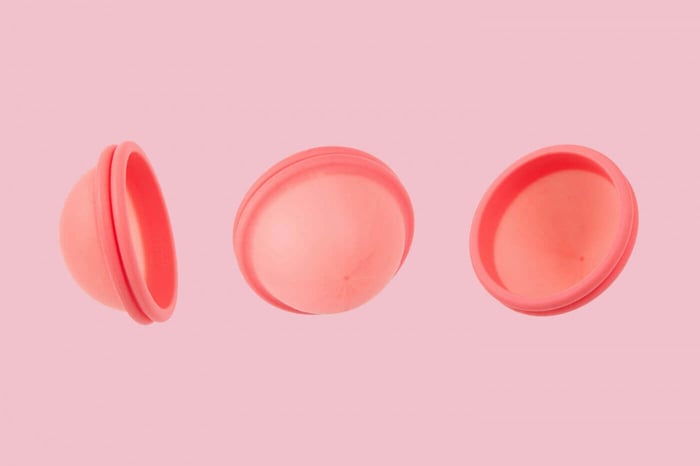
The nixit menstrual disc is an effective tool for swimming during your period. It is a suction-free, one-size-fits-all solution that tucks seamlessly behind the cervix and effectively collects blood internally.
Made in Canada from premium medical-grade silicone, it is BPA-free. This ensures that your internal period products are safe and free from harmful chemicals.
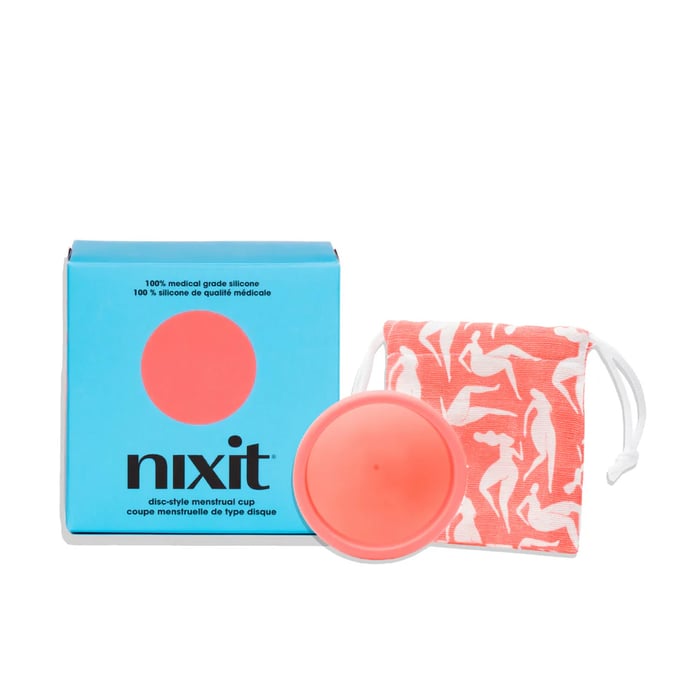
nixit menstrual disc
How to Protect Against Leakage
Heading to the water? Here is your guide to staying protected all day. Whether using a menstrual disc, cup or another method, proper placement is key.
Pre-Swim Checklist
Always start with an empty disc or cup. Rinse it well, insert it so it rests firmly behind the cervix, and do a quick kegel seal test to ensure the front rim is tucked securely behind your pubic bone. If you’re new to menstrual discs or cups, check out our guide on choosing the right menstrual cup to find the best fit for your body.
Do not forget to pack a spare water-based lubricant in your beach bag. Unlike tampons that fail to absorb menstrual blood properly in water, discs and cups do not carry the same high risks of toxic shock syndrome and won't absorb water.
During Swim
Listen to your body and its cues. Even with a 12-hour maximum capacity, if you are having a particularly heavy flow or bleeding, schedule a quick restroom break every 3 to 4 hours to empty and reset. Period-friendly swimwear can provide extra confidence during active swimming.
Post-Swim Hygiene
Take a quick shower, wash your hands thoroughly, clean your disc, and re-insert. Carry a collapsible silicone cup into the stall filled with clean water to easily rinse your disc on the go.
Why Sustainability and Access Matter
Menstrual care has radically evolved from the bulky hygiene belts of the 1930s to the sleek silicone innovations we rely on today. Choosing to swim sustainably is not just about personal comfort throughout your menstrual cycle. It is beneficial for the planet and a huge step forward for women's health.
Disposable pads may take 500 to 800 years to break down, and the sheer volume of pads in landfills is alarming. Choosing a reusable menstrual disc or cup instead of pads reduces waste.
A single nixit menstrual disc user averts approximately 11,000 to 13,750 disposable products over 5 years (based on typical monthly usage), which translates to roughly 34 to 41 lbs of trash kept out of landfills and oceans. This prevents up to 99% of the waste that would otherwise accumulate from disposable menstrual products during that period.
Swim During Your Period Confidently
Can you swim on your period without a tampon? Yes.
Now is a good time to redefine your relationship with your cycle and your summer. Transitioning away from disposables like pads and tampons opens up a world of comfort and freedom. Taking control of your cycle is an important part of women's health.
Explore nixit’s period care products for reliable protection. It is a reliable beach-bag essential for safe and stain-free protection, preventing stains and allowing you to enjoy every moment in the water without fear of leakage.
Frequently Asked Questions
Will anyone know I am on my period if I use a menstrual disc/cup?
No. Because a menstrual disc and cup sits internally, it is invisible and discreet under any swimsuit. It prevents unexpected leakage and eliminates the risk of visible tampon strings causing embarrassment.
Can I wear a pad in the swimming pool?
It is not recommended. Traditional disposable pads act like sponges and will quickly soak up water rather than menstrual blood. Instead, opt for period swimwear or menstrual discs/cups.
Do I need to empty my menstrual disc/cup before swimming?
It's best to start with an empty disc for maximum comfort and protection, but you don't need to empty it mid-swim unless your menstrual flow is heavy.
How long can I stay in the water?
You can safely swim up to your product's maximum wear time limit, minimizing risks like toxic shock syndrome. With a menstrual cup or disc like nixit that's designed to collect blood effectively, that is a full 12 hours. Just ensure you empty it before and after swimming.
Can swimming delay or shorten my period?
No. While regular aerobic exercise may ease painful period cramps and PMS symptoms, simply being in the water will not lengthen or alter your cycle duration.
Can I use a menstrual disc or cup for other sports?
Menstrual cups and discs stay securely in place during high-impact sports like running, yoga, cycling, or laps in swimming pools, providing leak-free protection.
Can I use a menstrual disc/cup overnight?
Yes. nixit menstrual discs can be worn for up to 12 hours, making them safe and convenient for overnight use.
Is the nixit menstrual disc safe for sensitive skin?
Yes. Made in Canada from BPA-free, medical-grade silicone, the nixit disc is free from harmful chemicals and hypoallergenic, making it safe for even sensitive skin.
How do I clean my menstrual disc/cup while traveling?
Rinse with water and menstrual cup cleanser; for on-the-go cleaning, you can use a collapsible rinse cup or portable menstrual disc wipes designed for these products.
Can a menstrual disc or cup cause leaks if I move a lot in the water?
No, as long as the disc or cup is positioned correctly behind the cervix, it stays securely in place during swimming, jumping, or other active movements.