
Ever wondered why you feel unstoppable one week and sluggish the next? It is not just in your head; it is biology.
Tracking hormone levels during the phases of your menstrual cycle is the secret to understanding your body's natural rhythms. A normal cycle is regulated by the rise and fall of four key players: follicle-stimulating hormone, luteinizing hormone, estrogen, and progesterone.
When you decode how these chemicals interact, you can anticipate shifts in your mood, energy, and physical symptoms throughout your normal menstrual cycle. Instead of fighting your body, you can work with it.
Mastering your menstrual cycle brings practical wins like better energy management, improved emotional tracking, and the confidence to make a sustainable period care swap.
Let us break down exactly what happens during each cycle phase.
Why Knowing Your Hormone Levels Matters
Understanding the basics of the menstrual cycle offers profound insights into your overall health. It allows you to monitor energy peaks and mood fluctuations with accuracy as your hormone levels shift.
You can actively tailor your lifestyle choices to complement your internal chemistry, including balancing estrogen and progesterone levels. This knowledge empowers you to make informed decisions about nutrition, exercise, and daily tasks for a healthy menstrual cycle.
Key Insight: Tracking your menstrual cycle isn't just about predicting your period. It is a powerful biohack that allows you to anticipate energy shifts, optimize your productivity, and give your body the exact support it needs. |
What Are the Four Menstrual Cycle Phases?
Before we dive deep, here is a quick visual roadmap of how your menstrual cycle unfolds. The hypothalamus releases gonadotropin-releasing hormone, starting the process. This hormonal signal tells the pituitary gland and ovaries to begin the sequence that regulates ovulation and menstruation.
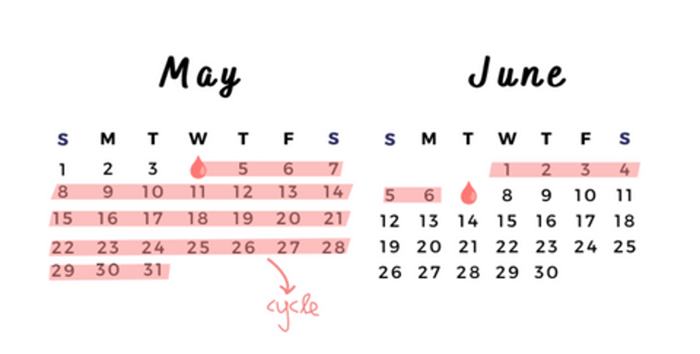
Wondering how birth control affects this process? Read our guide on whether you ovulate while on a birth control method. A normal menstrual cycle length is 28 days, with most cycles ranging from 25 to 30 days.
Phase | Day Range | Dominant Hormone | Headline Feeling |
|---|---|---|---|
Menstruation | Days 1 to 5 | Low Hormones | Restful and resetting |
Follicular | Days 1 to 13 | Estrogen | Energized and clear |
Ovulation | Day 14 | LH | Confident and vibrant |
Luteal | Days 15 to 28 | Progesterone | Calm, then introspective |
What Is the Follicular Phase of the Menstrual Cycle
The follicular phase begins on the first day of your period and lasts around 13 days. In the early follicular phase, your brain releases follicle-stimulating hormone. This follicle-stimulating hormone actively drives follicle development in your ovaries.
As these follicles grow throughout the follicular phase, they produce a steady stream of estrogen, naturally elevating your estradiol levels.
Tracking hormone levels reveals exactly why you start to feel a distinct mood lift during the follicular phase. This gradual estrogen climb leads to sharper mental clarity, a social spark, and a natural surge in physical energy.
This is also known as the proliferative phase. During the proliferative phase, your body rebuilds the uterine lining, making you feel ready to take on the world.
To make the most of the follicular phase, consider the following:
- Enjoy rising energy, glowing skin, and increased sociability
- Take advantage of your physical stamina with heavy strength training
- Fuel your body with complex carbohydrates for sustained energy
How Does Ovulation and LH Peak Work?
Around day 14 of your menstrual cycle, estrogen levels reach their peak, triggering a rapid luteinizing hormone (LH) surge. This LH peak is the biological trigger that releases a mature egg, marking your ovulation phase.
This ovulatory phase marks peak fertility. During this brief ovulatory phase, you might notice a slight core temperature rise of about 0.5°F as luteinizing hormone spikes.
Distinct changes in cervical mucus often occur, becoming clear and stretchy like raw egg whites. Thanks to peak estrogen levels, you will likely feel highly confident with a noticeably higher libido.
Whether your current goal is conception or prevention, observing these tracking cues helps you pinpoint your fertility window. Using ovulation test strips to track luteinizing hormone, checking mucus, or logging your basal body temperature are highly effective methods.
Understanding how stress affects menstrual cycle patterns can also help explain why ovulation sometimes occurs later than expected.
Pro Tip: Don't rely solely on calendar apps to predict ovulation. Pairing basal body temperature tracking with cervical mucus observation gives you a much more accurate window into your true fertility status and estrogen levels. |
What Happens During the Luteal Phase of the Menstrual Cycle?
The luteal phase begins after ovulation and typically lasts around 14 days, although slight variations are normal. During this time, the follicle that released the egg transforms into the corpus luteum, a temporary structure that produces progesterone and smaller amounts of estrogen.
These hormonal changes prepare the body for a possible pregnancy. The uterine lining thickens and becomes more nutrient-rich to support implantation if fertilization occurs. This stage is also called the secretory phase because the endometrium secretes substances that help nourish a fertilized egg. The luteal and secretory phases occur simultaneously in the second half of the menstrual cycle, immediately following ovulation
Although the terms are closely related, they describe different processes. The luteal phase refers to hormonal activity in the ovaries after ovulation, while the secretory phase refers to the changes happening in the uterine lining.
Progesterone levels increase during this phase and contribute to common premenstrual symptoms like bloating, breast tenderness, fatigue, mood changes, and food cravings. Basal body temperature also rises slightly after ovulation.
The hormone relaxin also increases, loosening joints and connective tissues throughout the body. While relaxin is most associated with pregnancy, smaller amounts are naturally produced during this phase of the menstrual cycle as well.
For some women, this may lead to temporary changes in joint stability, muscle tension, or overall physical comfort before menstruation begins.
If pregnancy does not occur, the corpus luteum breaks down near the end of the cycle. Progesterone and estrogen levels fall, the uterine lining sheds, and menstruation begins.
To help your body feel more supported during this phase, try the following:
- Load up on magnesium-rich foods like spinach and pumpkin seeds during the luteal phase.
- Eat balanced protein to help keep blood sugar stable throughout the day.
- Use a heating pad or try deep breathing to ease cramps and mood changes.
Why Does the Menstrual Phase Reset Your Hormones?
If an egg is not fertilized, both estrogen and progesterone levels crash, prompting your body to shed the uterine lining. This triggers menstrual bleeding and marks a new day 1 of the menstrual cycle.
During menstrual bleeding, it is completely normal to experience an energy drop, so prioritize rest, gentle movement, and extra hydration. Replenish your body with iron-supportive foods like dark leafy greens and lentils to support a normal menstrual cycle.
This shedding phase is also the ideal time to optimize your menstrual cycle routine with a sustainable clean swap. The nixit menstrual disc is a suction-free, reusable option made of ultra-soft medical-grade silicone. It sits comfortably behind the cervix and collects menstrual flow, removing the guesswork from period care.
If you need a little help with insertion, pair your disc with a water-based lube. Always avoid oil-based or silicone-based lubricants, as they will degrade the silicone of your disc.
Small adjustments make the transition to reusable products incredibly simple.
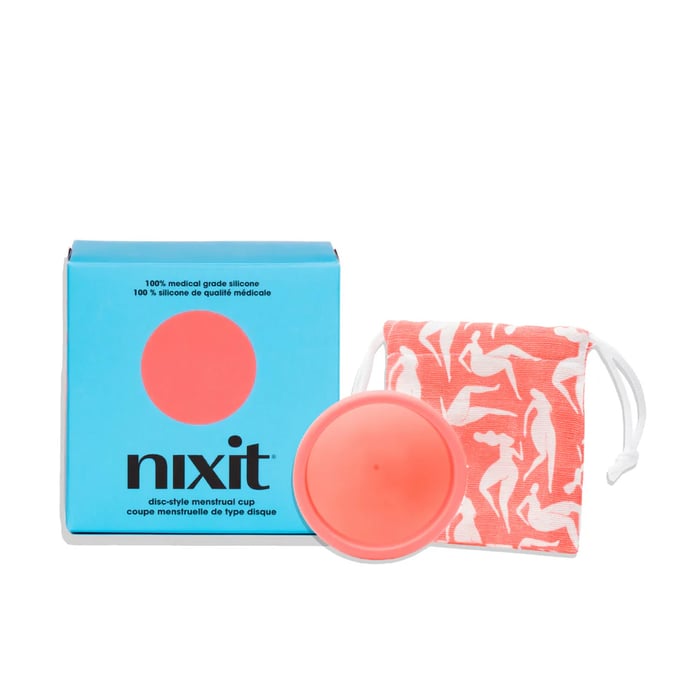
nixit menstrual disc
Warning/Important: Always check your lubricant ingredients before using them with a menstrual disc. Silicone and oil-based lubricants will quickly degrade medical-grade silicone, ruining your reusable product. Stick to water-based formulas! |
How Do Hormone Levels Change Your Mood?
Your physical and emotional state is directly tied to the rise and fall of these key hormone levels. Estrogen is closely linked to serotonin production, which explains that social, happy glow you feel mid-cycle.
On the flip side, the thermogenic bump from estrogen and progesterone is exactly why you sleep a little warmer during the luteal phase. These hormonal changes can lead to noticeable energy shifts throughout the menstrual cycle.
You might also notice an androgen mini-spike right before your menstrual cycle begins. This triggers excess sebum and those frustrating pre-menstrual breakouts.
Understanding this timeline of hormonal changes helps you realize that your body is acting exactly as it should, removing any shame around these natural shifts.
What Are Common Hormonal Imbalances? (Including FSH and LH)
While fluctuations are completely normal, certain red flags prompt a closer look at clinical relevance. Approximately 14% to 25% of women experience irregular menstrual cycles, which can include variations in menstrual cycle length, flow, or associated symptoms.
Polycystic Ovary Syndrome (PCOS) is one common condition characterized by high androgens and highly irregular cycles that impact estrogen and progesterone.
Another condition to watch for is a luteal-phase defect, where low progesterone levels lead to a short luteal phase. This specific imbalance, marked by a short luteal phase, has strong infertility links.
Additionally, thyroid overlaps can be tricky; wild TSH swings often mimic menstrual cycle issues, causing irregular bleeding or extreme fatigue. If your menstrual cycle consistently falls outside normal ranges, it is time to seek professional testing for luteinizing hormone and FSH levels.
Key Insight: Your period is a vital sign. If you consistently experience highly irregular menstrual cycles, extreme fatigue, or heavy bleeding, don't dismiss it as "normal PMS." These are signals requiring professional medical attention. |
How To Start Menstrual Cycle Syncing Today
Aligning your daily habits with your menstrual cycle is a powerful way to support your well-being without overthinking it.
Transitioning to reusable period care is another excellent way to support a toxin-free lifestyle. It greatly reduces your exposure to the harsh chemicals often found in traditional disposables.
Try these cycle-friendly habits:
- Opt for steady cardio in the follicular phase and heavy strength training during ovulation.
- Try seed cycling and prioritize complex carbs for sustained energy and healthy estrogen and progesterone levels.
- Focus on sleep hygiene, breathwork, and journaling when your energy naturally dips in the luteal phase.
How To Seek Professional Support For Your Menstrual Cycle
You know your body best, so do not hesitate to reach out to a healthcare provider when needed for your menstrual cycle.
It is highly recommended to seek help if you experience excessively heavy menstrual bleeding or severe cramps that disrupt your daily life. Having more than three anovulatory cycles in a row is another strong reason to consult a doctor.
If you suspect conditions like PCOS or a thyroid disorder, a doctor can run a full lab panel. They will check your FSH levels, luteinizing hormone, estradiol levels, and TSH to give clear answers.
Monitoring hormone levels gives insight into ovarian reserve. Professional guidance is crucial for long-term health and peace of mind.
Choose Smarter Period Care
Understanding how hormone levels shift throughout your cycle helps you work with your body instead of against it.
By recognizing patterns in energy, mood, and physical symptoms across the phases of the menstrual cycle, you can better adjust your workouts, nutrition, and self-care routines.
Supporting your cycle also includes choosing period products that fit your lifestyle, comfort level, and daily routine so you can manage your period with greater ease and confidence.
Frequently Asked Questions
How long is an average menstrual cycle?
Usually 21 to 35 days, with 28 days being the textbook average for a normal menstrual cycle. Minor variations from month to month are completely normal.
According to the Harvard School of Public Health, menstrual cycle length and variability differ considerably across the reproductive lifespan, starting at puberty. Cycles average 30.3 days for individuals under 20 years old and 28.7 days for those aged 35 to 39.
At what age does the menstrual cycle usually start?
Most people begin menstruating during puberty between the ages of 9 and 15. The first few years after puberty often involve irregular cycles while hormone patterns stabilize.
Why do hormone levels during the cycle vary?
Hormone levels during cycle fluctuate because the body is preparing for a possible pregnancy. Hormones like FSH, LH, estrogen, and progesterone rise and fall to regulate ovulation, the endometrium, and menstruation.
Can stress delay ovulation?
Yes. High stress elevates cortisol, which can disrupt the brain's signaling to the ovaries. This effectively delays the luteinizing hormone surge, the LH peak, and subsequent ovulation.
Can exercise affect your menstrual cycle?
Yes. Intense exercise, sudden changes in activity level, or very low body fat can sometimes alter hormone levels and temporarily affect cycle timing. Moderate, balanced exercise typically supports overall menstrual health.
Are reusable menstrual discs safe with IUDs?
Yes! Because a menstrual disc sits behind the cervix and is completely suction-free, it is an excellent option for IUD users during the menstrual cycle. Always read the product instructions carefully.
How long does a reusable menstrual disc last?
With proper care, a reusable menstrual disc can last several years. nixit menstrual discs can last up to 5 years.
Can you go swimming or diving while wearing a menstrual disc?
Yes. They can be worn during activities like swimming, diving, or other water sports. When inserted correctly, they stay in place and help prevent leaks while you stay active.
How long can you wear a nixit menstrual disc?
Most reusable menstrual discs, including the nixit menstrual disc, can be worn for up to 12 hours, depending on your flow. This makes them a convenient option for both daytime use and overnight wear during your cycle.
How do you clean a reusable menstrual disc?
After removing the disc, wash it with warm water and a gentle cleanser. At the end of your cycle, you may boil the disc for 5 minutes to fully sanitize it before storing.