Choosing the right lubricant can make a big difference in comfort, safety, and convenience. Water-based and oil-based lubes each offer distinct benefits, but they also differ in compatibility, longevity, texture, and cleanup.
Water-based lube is safe with condoms, toys, and menstrual products, rinses off easily, but needs reapplying. Oil-based lube lasts longer but degrades latex and silicone. This guide explains the key differences in compatibility, texture, cleanup, and ingredients so you can choose the right formula for your needs.
Water vs. Oil-Based Lube: A Quick Comparison
Lube Type | Texture | Longevity | Latex Condom Compatible | Silicone Menstrual Product Safe | Cleanup | Staining Risk |
Water-based | Light, gel-like | Moderate; may need reapplying | Yes | Yes | Rinses off easily | Low |
Oil-based | Rich, heavier | Long-lasting glide | No | No | Needs soap and extra washing | Higher |
Silicone-based | Slick, silky | Long-lasting; doesn't absorb | Yes | No | Needs soap and water | Low |
Why Lube Type Matters for Comfort and Safety
Lubricant reduces friction, which makes sex more comfortable. Without enough moisture, penetration can feel uncomfortable or irritating.
Needing more vaginal moisture at certain times is completely normal. Vaginal dryness is common during the menopause transition, while breastfeeding, or as a side effect of certain medications. This can happen because dropping estrogen levels affect how well the vagina stays lubricated.
The type of lube you choose affects more than just how sex feels. Oil-based and water-based formulas behave differently with latex, silicone, and your body's natural pH balance. Using the wrong one can cause material breakdown you won't notice until something fails, and it may also affect vaginal health.
Key Differences Between Water-Based and Oil-Based Lube
The choice between water-based and oil-based lube comes down to a handful of practical factors: what they're made of, what they're safe to use with, and how easy they are to clean up.
Ingredients and Texture

Water-based lubricant is typically a gel made with water, humectants, and soothing plant-based ingredients like aloe vera. These formulas feel lighter than oil-based alternatives, gliding smoothly without a heavy or greasy sensation.
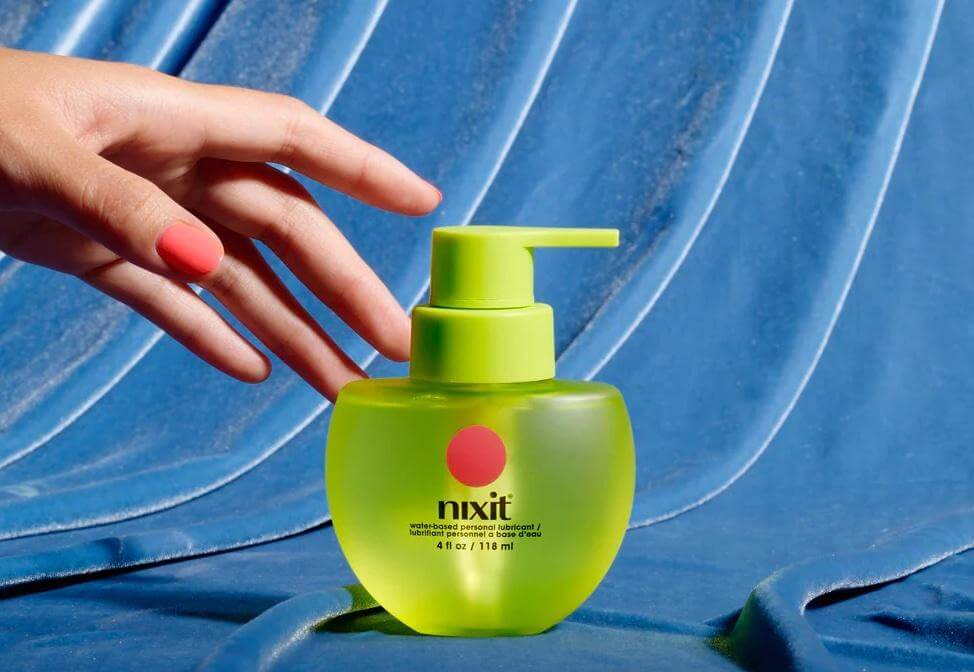
For example, nixit's water-based lube uses an aloe-based formula that offers a comfortable glide without feeling tacky or drying out too quickly. That said, water-based lubes do absorb into skin faster than oil-based formulas, so you may need to reapply during longer sessions.
In contrast, oil-based lubes are made with ingredients like coconut oil, jojoba oil, or petroleum-based products, which provide longer-lasting lubrication.
Compatibility With Condoms and Intimate Products
Water-based lubricant is the safest default whenever condoms or silicone products are involved. It works for partnered sex, solo play, toys, condoms, and menstrual disc insertion.
Oil-based formulas have more restrictions. They can weaken latex and raise the risk of a condom failing. One clinical trial found more breakages with oil-based lubricant, though the difference was not statistically significant. Oil-based lube still works for massage and anything that doesn't involve latex or silicone.
Silicone-based lube is the third option, and it's the one to watch if you use a menstrual disc or cup. It's safe with latex condoms, but it degrades silicone toys, discs, and cups over repeated use. We've compared those two side by side in silicone vs water-based lubricant.
When using condoms with any lube, amount matters. Adding a bit to the outside and tip of the condom helps reduce friction. Inside the condom, though, use sparingly. Too much can make it slip out of place.
You'll also want to avoid everyday household products with condoms. Petroleum jelly, baby oil, cooking oil, and most massage oils break down latex the same way oil-based lubricants do, even though they aren't marketed as lube.
If you're comparing different condom types, it's also worth checking the material first, since lube compatibility can vary depending on whether the condom is latex, polyisoprene, or another alternative. nixit condoms are made from natural rubber latex, so water-based lube is the right pairing.
Quick safety note: Oil-based lubricants can damage latex condoms, and both oil- and silicone-based lubricants can damage silicone menstrual products. When in doubt, water-based is the safer default option. |
Cleanup and Staining
Water-based lubricant rinses off skin, toys, and fabric easily, without leaving much residue behind. Oil-based formulas are harder to clean up since they tend to linger on sheets and skin.
Washing off heavier oils sometimes takes soap and a second rinse, and thicker, petroleum-based products can clog pores or trap bacteria if they aren't cleaned off well. That's not a reason to rule oil out entirely, but it does mean more cleanup.
How to Choose a High-Quality Water-Based Lube
A few practical markers separate a good water-based lubricant from one that might irritate:
- Look for a short ingredient list built around water and natural, soothing ingredients.
- Choose a fragrance-free formula, since added scents are a common source of irritation.
- Confirm the product is labeled safe for vaginal use so it won't disrupt your natural pH or vaginal microbiome.
- Skip formulas with propylene glycol or added glycerin if you're prone to irritation or yeast infections.
- Patch-test a new product if you have sensitive skin, just to be safe.
Lubricants, condoms, and semen can all affect your vaginal pH, which typically sits between 3.8 and 4.5.
Quick tip: Before you buy, scan the label for "fragrance-free" and "glycerin-free," plus a note on condom compatibility. That's usually enough to spot a formula built for sensitive tissue. |
Why nixit Water-Based Lube Is a Simple, Body-Friendly Choice

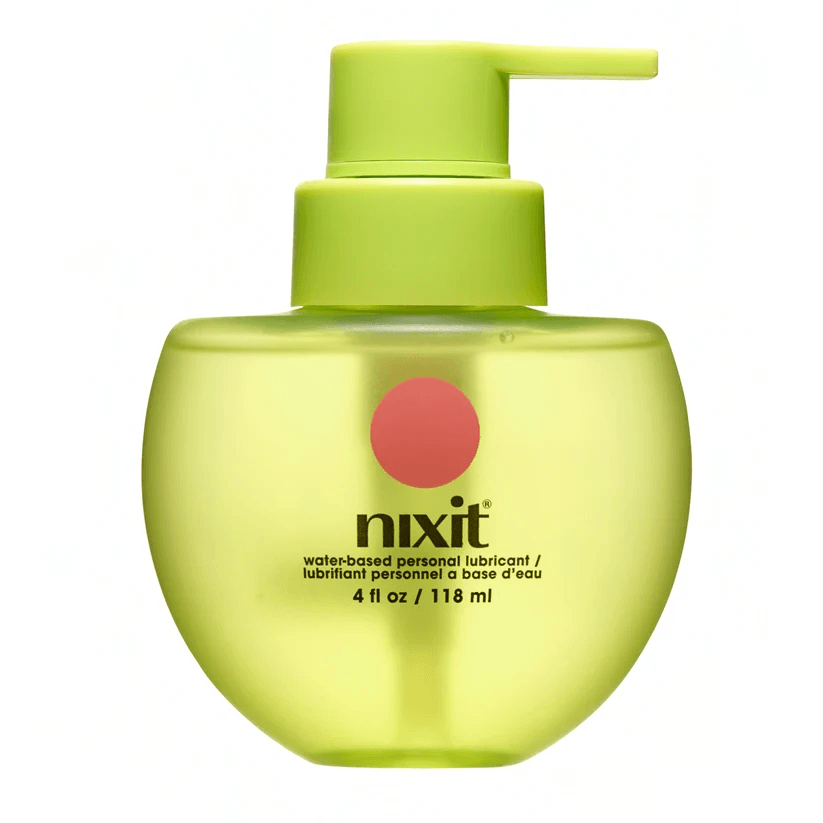
nixit's water-based lube is pH-balanced, fragrance-free, and glycerin-free, which makes it compatible with condoms, toys, and silicone menstrual products. The short ingredient list matches the checklist above, with an aloe-based formula that feels close to natural vaginal lubrication.
It's designed to fit easily into a period care or sexual wellness routine, whether that means partnered sex, solo play, or inserting a menstrual disc. It's manufactured in a US-based facility that's FDA-registered and follows GMP standards.
A few drops around the rim of the disc before insertion make it easier to fold and slide into place, especially the first few times you use one.
nixit water-based personal lubricant is an aloe vera-based, vegan gel that delivers a naturally thicker, non-sticky feel during intimacy or menstrual cup or disc insertion. Free from glycerin, parabens, fragrances, and sulfates, and safe with menstrual cups and discs, toys, and latex or polyisoprene condoms. |
Find What Works for You
Here's the bottom line: if you use condoms, silicone toys, or menstrual discs, water-based lube is your safest bet. It's compatible with everything, cleans up in seconds, and won't leave you wondering if you've damaged something important.
Oil-based formulas have their place for massage or latex-free scenarios, but the tradeoff is messier cleanup and real compatibility risks.
Choose a lubricant you can trust for every situation, whether that's sex, solo play, or inserting a menstrual product. Ready to skip the trial and error? Explore nixit's water-based lube: formulated to work safely with condoms, toys, and silicone menstrual products, with zero glycerin, parabens, or fragrance.
FAQs
Can I use nixit lube with condoms and silicone toys?
Yes, nixit's water-based lubricant works safely with latex and polyisoprene condoms as well as silicone toys, since water-based formulas don't degrade either material. It's a versatile option if you want one lubricant that pairs with everything in your routine.
What is nixit's water-based lube made from?
nixit's lube is built around an aloe-based gel with hyaluronic acid, vitamin E, and organic plant extracts including peony root and passionflower. The formula is vegan and free of added sugar.
Can water-based lube be used during pregnancy?
Yes. Water-based lubricants are generally considered safe to use during pregnancy when they're unscented, unflavored, and free of irritating additives (e.g., glycerin, parabens, phthalates).
How should lubricants be stored to maintain safety and effectiveness?
Store in a cool, dry place away from direct sunlight and heat, keep the cap tightly closed, and avoid contaminating the bottle by not touching the nozzle to skin or inserting fingers.
Where is nixit lubricant manufactured?
nixit's water-based lubricant is made in a US-based facility that's FDA-registered and follows GMP (Good Manufacturing Practice) standards.