
You're standing in the condom aisle, staring at a wall of options. Ribbed, ultra-thin, lambskin, warming, vegan... and you're just trying to figure out which one won't ruin the moment or put your health at risk.
For sexually active individuals, understanding condom options is an essential part of safer sex practices.
Here's the truth: condoms are proven barriers against sexually transmitted diseases and unintended pregnancy. Only 23.8% of women and 33.7% of men aged 15–44 used a condom during their last sexual encounter, and in 2020, 374 million new STIs occurred globally, many of them preventable with correct condom use.
Condoms remain one of the most effective forms of birth control available. Understanding the different types of condoms available can help you choose the best option for preventing pregnancy and protecting your health. Discussing condom preferences with sexual partners before intimacy ensures both safety and comfort.
This guide breaks down 17 types of condoms and barriers so you can choose with confidence. Because intimacy should be exciting, protected, and 100% on your terms.
The Best Types of Condoms for Safe, Comfortable Protection
When it comes to reliable, body-safe protection for sexually active individuals, these types of condoms deliver on both safety and comfort while preventing pregnancy effectively.
These options support safer sex practices and help prevent sexually transmitted diseases. They offer proven STI and pregnancy prevention, are made from materials trusted by health professionals, and prioritize your body's well-being without unnecessary chemicals or irritants.
1. Latex Condoms
The industry standard, latex condoms, are a popular form of birth control that is stretchy, affordable, and highly effective. If you use condoms perfectly every single time you have sexual intercourse, they’re 98% effective at preventing pregnancy and STIs. The condom material consists of natural rubber that provides a reliable barrier during sexual intercourse.
The standard latex condom is a reliable choice for most people, but should be avoided if you have a latex allergy. These external condoms are the most common types of condoms used worldwide.
nixit condoms are crafted from natural latex and designed for vegan-friendly protection that doesn't compromise on safety. Every condom is 100% electronically tested for safety and proven to help reduce the risk of pregnancy and prevent STIs.
2. "Natural" / Organic Condoms
The cleanest option on the market for safer sex, natural or organic condoms are made without parabens, glycerin, spermicide, fragrances, or other potentially irritating chemicals. This body-safe approach reduces the risk of UTIs and allergic reactions while often featuring eco-friendly, sustainable packaging.
nixit natural latex condoms are the gold standard in this category. Free from parabens, spermicide, glycerin, UTI-causing chemicals, fragrances, and dyes, they prioritize cleaner, safer intimacy without compromise.
3. Thin / Ultra-Thin Condoms
Designed for heightened sensation and sexual pleasure, these condoms are thinner than standard options without sacrificing safety. They offer the same level of protection but should be handled with care during application to avoid accidental tears from nails or jewelry.
Many users find that thin condoms feel better because they allow for greater sensitivity and a more natural experience.
nixit's ultra-thin design delivers a barely-there feel and maximum sensitivity while maintaining full protection you can trust.
4. Lubricated Condoms
Most condoms come pre-coated with a water- or silicone-based lubricant. This essential feature reduces friction, which not only increases comfort and sexual pleasure but also significantly lowers the risk of the condom breaking during use.
nixit condoms are lubricated with pure silicone oil, which lasts longer than water-based options and creates a smoother, more natural feel without irritation or stickiness.
5. Non-Latex Condoms (Polyurethane, Polyisoprene, Synthetic Rubber)
For anyone with a latex allergy, latex-free condoms are essential. Polyurethane and polyisoprene condoms are hypoallergenic and excellent at transferring body heat for a more natural feel. While slightly less elastic than synthetic latex, they provide the same level of protection against pregnancy and STIs.
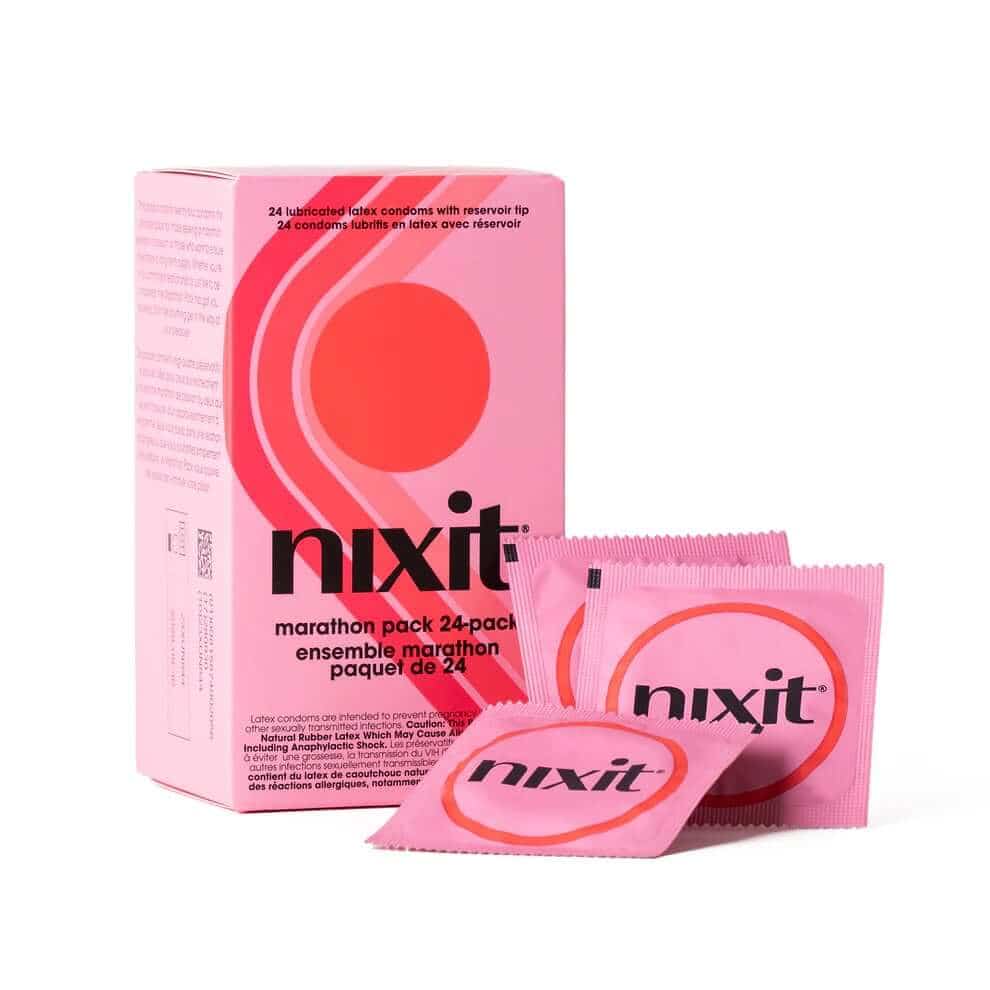
nixit condoms
Other Condom Types & Specialty Options
Not all condoms are created with safety and comfort as the top priority. These specialty options serve niche purposes or add novelty, but many come with trade-offs like irritation risk, reduced protection, or side effects worth considering carefully.
1. Lambskin Condoms
Made from the intestinal membrane of a lamb, these offer a natural feel and excellent heat transfer. However, their porous nature does not block viral STIs like HIV or herpes. Use only for pregnancy prevention, not STI protection.
2. Internal Condoms
The internal condom (or female condom) is a nitrile or synthetic pouch worn inside the vagina and can be inserted hours before intercourse. While the internal condom is effective for preventing pregnancy and sexually transmitted infections, it can take practice to insert correctly.
Nonetheless, an internal condom offers an alternative to external condoms for those who would like to explore other options.
3. Spermicidal Condoms
Coated with nonoxynol-9 to kill sperm, these can cause irritation or urinary tract infections (UTIs) with frequent use. Many experts recommend avoiding them in favor of chemical-free options like nixit condoms.
4. Studded / Textured / Ribbed Condoms
Featuring raised patterns designed to increase stimulation, the added texture can cause discomfort or irritation for some people. While textured condoms are marketed for enhanced pleasure, they're not suitable for everyone. Communication is key to ensuring pleasure, not pain.
5. Tingling / Cooling Condoms
Coated with menthol-based lubricants for a cooling sensation, these can cause sensitivity, irritation, or allergic reactions. Test on skin first if trying.
6. Warming Condoms
Special gels create a warming sensation, but the chemical additives can irritate sensitive skin. Skip if you're prone to irritation.
7. Numbing / Extended-Pleasure Condoms
Contains benzocaine to delay climax, but this effect can transfer to your partner, reducing their sensation. Numbing agents can also mask discomfort.
8. Scented / Flavored Condoms
Designed for oral sex with sugar-free flavors. They provide STI protection during oral play, but some can cause vaginal irritation or yeast infections if used for penetrative sex. Use scented or flavored condoms during oral sex to prevent STIs, but avoid them for vaginal intercourse.
9. Glow-in-the-Dark Condoms
Novelty condoms that glow after charging under light. They provide effective protection but offer no functional advantage beyond fun.
10. Edible Condoms
Made from dissolvable candy materials. For novelty use only. Not approved for intercourse and offer zero protection against STIs or pregnancy.
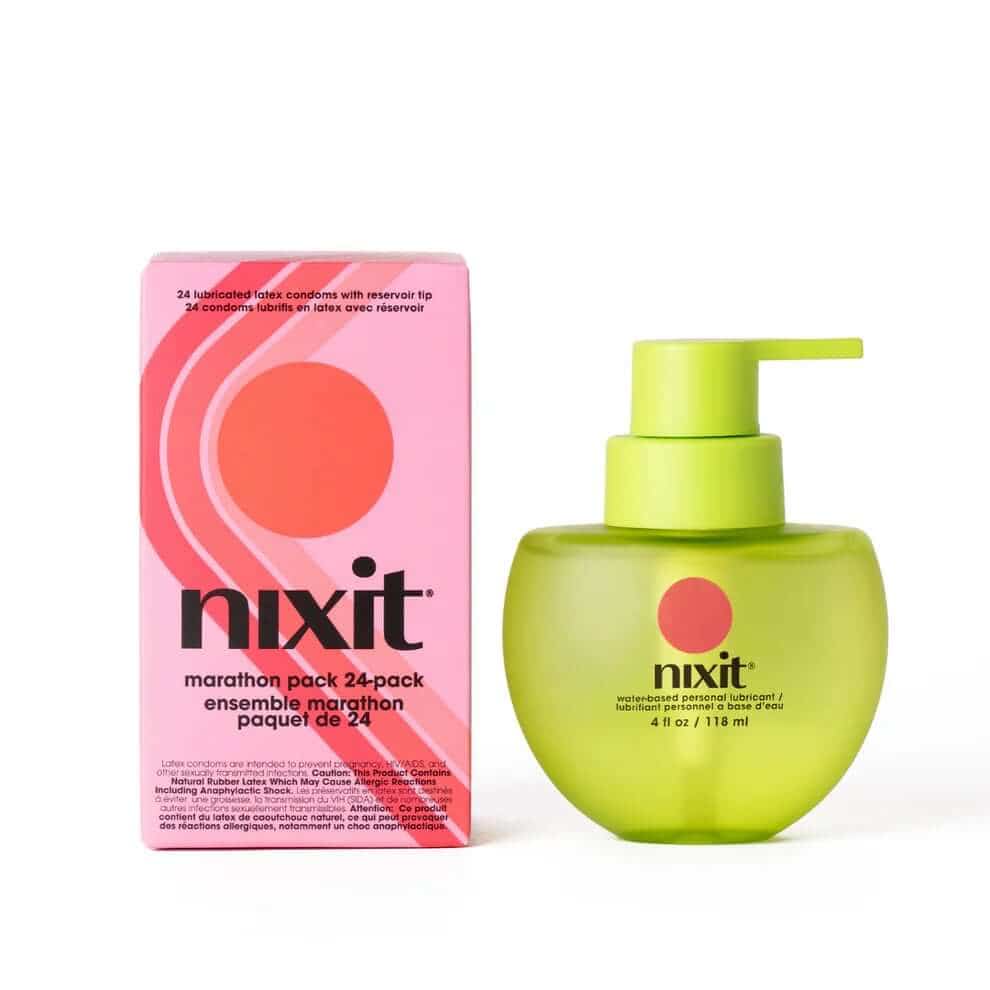
nixit play safe bundle
How to Choose the Best Condom
Choosing the right condom comes down to balancing protection, comfort, and personal values. Use this quick reference to guide your decision based on what matters most to you.
Your Priority | Best Choice | Why It Works |
Maximum safety + sensation | Latex (ultra-thin) | Proven protection with barely-there feel |
Chemical-free/body-safe | Natural/Organic latex | No parabens, glycerin, spermicide, fragrances, or dyes |
Long-lasting lubrication | Silicone oil-lubricated | Smoother feel, less friction, no irritation |
Vegan-friendly | Natural rubber latex (vegan-certified) | Plant-based materials, no animal products |
The Bottom Line
Not all condoms are created equal. Choosing between external condoms, internal condoms, lubricated condoms, and non-latex condoms depends on your specific needs. The right choice protects your health, respects your body, and doesn't compromise on sensation.
nixit condoms deliver on every front: ultra-thin for maximum feel, free from parabens, spermicide, glycerin, UTI-causing chemicals, fragrances, and dyes. Lubricated with pure silicone oil and 100% electronically tested for safety. Vegan-friendly protection that feels as good as it performs.
Your comfort matters. Your safety matters. You deserve both.
Ready to experience the difference? Check out nixit's ultra-thin latex condoms. And for an even smoother experience, pair them with nixit's water-based personal lubricant, which is pH-balanced, glycerin-free, and designed for body-safe intimacy.
Other Frequently Asked Questions
Can condoms be reused?
No. Every condom is single-use only. Reusing external condoms or any type of condom skyrockets the risk of breakage and transmission of sexually transmitted infections.
How often do condoms break?
With correct use, breakage rates are under 2%. Most failures happen due to improper sizing, lack of lubrication, or expired condoms. Using lubricated condoms significantly reduces breakage risk.
Are lambskin condoms safe against HIV?
No. Lambskin blocks sperm but allows viral particles to pass through. Stick to latex or non-latex condoms like polyurethane for protection against sexually transmitted infections. For allergy-safe protection, choose latex-free condoms made from polyurethane or polyisoprene.
What lube is condom-safe?
Water-based or silicone-based lubricants are safe for both male condoms and internal condoms. Avoid oil-based products, as they degrade latex and increase breakage risk.
Do condoms expire?
Yes. Shelf life is typically 3–5 years, depending on the material. Different types of condoms have varying expiration dates. Always check the expiration date before use to ensure effectiveness in preventing pregnancy.
Can I double up condoms for extra safety?
Absolutely not. Using two external condoms or two male condoms increases friction between them, which significantly raises the risk of breakage and reduces effectiveness for preventing unwanted pregnancy.
Are there vegan condoms?
Yes. Many non-latex condoms and some latex brands, including nixit condoms, are free of animal by-products and casein. These types of condoms offer the same protection for preventing pregnancy.
How do I dispose of a condom?
Tie it, wrap it in tissue, and toss it in the trash. This applies to both external condoms and internal condoms. Never flush condoms, as they clog plumbing and harm septic systems. Learn more in our detailed guide on how to properly dispose of a condom after sex.
Will condoms reduce sensation?
A properly fitted, ultra-thin condom like nixit preserves most sensation while keeping you protected. Lubricated condoms also enhance comfort without sacrificing protection against sexually transmitted infections.
What's the best condom for sensitive skin?
Choose condoms free from parabens, glycerin, spermicide, fragrances, and dyes. Both latex and non-latex condoms are available in body-safe formulations. nixit condoms are specifically formulated without UTI-causing chemicals or irritants, making them ideal for sensitive skin while preventing pregnancy safely.