
Table of Contents
- What Is Cervical Fluid?
- The 4 Types of Cervical Mucus
- Cervical Fluid Throughout Your Cycle
- Why Your Fertile Window Opens Before Peak Mucus
- Menstrual Cycle Discharge That Isn't Cervical Fluid
- How to Check Your Cervical Mucus
- Is Cervical Fluid Tracking Reliable Birth Control?
- How nixit Fits Into Fertility Tracking
- Getting to Know Your Pattern
- FAQs
Cervical fluid tells you roughly where you are in your cycle and when you're most likely to get pregnant. When it turns clear, slippery and stretchy, like raw egg white, ovulation is close and you're at your most fertile. Dry or sticky mucus usually means you're not fertile yet, though sperm can survive long enough that "not yet" doesn't mean "no chance".
That's useful if you're trying to get pregnant. It's just as useful if you're trying hard not to. Cervical mucus is also easy to misread, since lube, arousal and semen can all feel like a "wet" day. If pregnancy isn't the plan, read the birth control section before you rely on any chart.
What Is Cervical Fluid?
Cervical mucus is a fluid your cervix makes, and its texture, amount and color shift through your cycle as your hormones change. It has two jobs. Around ovulation it helps sperm swim up toward an egg, and the rest of the time it acts as a barrier that keeps sperm and other things out of the cervix.
It's one part of everyday vaginal discharge, which is normal and usually nothing to worry about if it's clear or white, has no strong or unpleasant smell, and is either thick and sticky or slippery and wet. For a broader picture, our guide to what's normal with vaginal discharge and when to worry covers colors, smells and red flags.
The 4 Types of Cervical Mucus
There are four types of cervical mucus:
- Dry or sticky. Paste-like, white or light yellow. Feels tacky between your fingers.
- Creamy. Smooth and yogurt-like, usually white.
- Wet and watery. Clear and thin, leaves a damp feeling.
- Egg white. Slippery, stretchy and slimy, like raw egg white. This is the most fertile type.
The order matters more than any single day. Fluid generally moves from dry to creamy to watery to egg white as ovulation approaches, then goes back to thick and dry once you've ovulated.
Key Insight: The most fertile mucus is the wettest, clearest and stretchiest you see in a cycle. Your own "peak" may look a little different from someone else's, which is why your chart is more useful than any photo. |
Cervical Fluid Throughout Your Cycle
Here's the approximate day-by-day pattern in a 28-day cycle. You may not follow it exactly - treat the day numbers as a rough guide.
| Cycle days (28-day example) | What you might notice | What's going on |
|---|---|---|
| 1–4 | Period, then dry or tacky; white or yellow-tinged | Menstruation, low estrogen |
| 4–6 | Sticky, slightly damp, white | Estrogen starting to climb |
| 7–9 | Creamy, yogurt-like, wet and cloudy | Estrogen rising |
| 10–14 | Clear, stretchy, slippery, very wet (egg white) | Estrogen peaks around ovulation |
| 15–28 | Dry or almost dry until your next period | Progesterone rises after ovulation |
If you're avoiding pregnancy, don't use these day numbers to pick "safe" days.
Egg-white mucus usually lasts about three or four days. After ovulation the fluid turns thick and dry again.
Estrogen rises before ovulation and prompts the cervix to make fertile mucus. After you ovulate, progesterone takes over and dries things up. If you'd like the fuller hormone story, read our breakdown of hormone levels throughout the menstrual cycle.

Why Your Fertile Window Opens Before Peak Mucus
Egg white is the obvious signal. The days before it matter just as much if you're avoiding pregnancy.
Sperm last much longer than eggs. Sperm have up to six days to meet an egg, while the egg itself sticks around for about 12 to 24 hours. So sex on a creamy or watery day, before you ever see egg white, can still lead to pregnancy a few days later.
In practice, that means:
- Trying to conceive: once your fluid starts getting wetter, you're heading into a good window. When slippery mucus appears, it's time to have sex if pregnancy is the goal.
- Avoiding pregnancy: the cervical mucus method counts your period, the sticky days before slippery mucus shows up, and the slippery days themselves as unsafe, until about four days after your slipperiest mucus. Even followed carefully, mucus checks alone aren't reliable contraception, so condoms are your backup. Use them, or skip vaginal sex, on every one of those days.
Mucus isn't the only sign. The fertility awareness method also has you record your body temperature every day. Cervix position is another sign people chart, and our guide to what a high cervix height means explains how it fits alongside fluid.
Menstrual Cycle Discharge That Isn't Cervical Fluid
Charts get muddled here. Plenty of things make you feel wet that have nothing to do with ovulation.
Arousal. Getting turned on makes you wetter - not being aroused during sex can be one cause of vaginal dryness. That wetness tracks your arousal, not your cycle, so a check during or right after sex can mislead you.
Semen and sex itself. After sex without a condom, semen can be mistaken for watery or stretchy fluid. Sex can also make your body produce more or different mucus, which can be confusing when you're new to charting.
Lube. Lubricants can change what you see - that includes lube used during a pelvic exam. A slick, clear gel on your fingers could pass for egg white if you're not thinking about it.
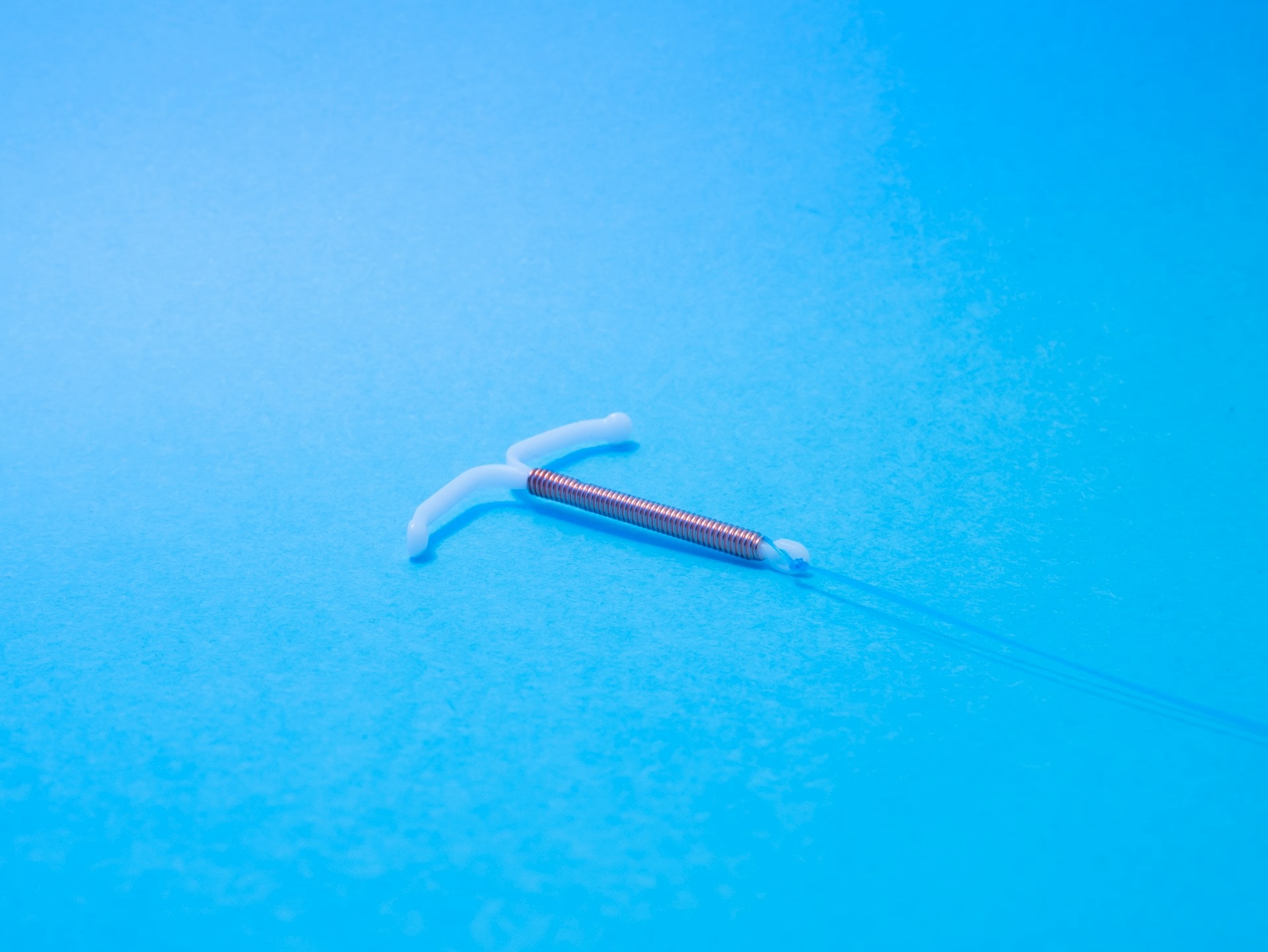
Other factors that shift your fluid include hormonal birth control, breastfeeding, yeast infections, bacterial vaginosis, STIs, cervical surgery, stress and some medications. Our posts on whether you ovulate on birth control and ovulating with an IUD go into what's happening underneath.
Pro Tip: Check your fluid before sex or the next morning, and make a note in your chart on any day you had sex or used lube. Those readings get a question mark, not a gold star. |
How to Check Your Cervical Mucus
There are three ways to check:
- Clean fingers. Wash your hands, insert a finger, and look at the color and texture. The best way to feel the consistency is to rub it and pull it between your thumb and index finger.
- Underwear. Look at what's there when you use the bathroom.
- Toilet paper. Try wiping before you pee with white toilet paper. It's probably the least reliable option, but it still helps.
Then write it down. Note the amount, color and texture (pasty, creamy, wet, dry) in a paper calendar or an app. Plan on charting for at least two cycles before you trust the pattern. It can take two to three cycles to learn fertility awareness properly. If you're starting from scratch, our guide on how to start cycle tracking has simple set-ups that work.

Is Cervical Fluid Tracking Reliable Birth Control?
On its own, no. Cervical mucus alone isn't a reliable form of contraception - anyone who wants to avoid pregnancy should talk with a provider about more effective options.
Fertility awareness methods as a group do better with careful use. The NHS puts them at 91% to 99% effective with perfect use, falling to 76% when instructions aren't followed exactly. Planned Parenthood gives 77% to 98%. The mucus method works better paired with temperature tracking. The gap between perfect and typical use is ordinary life. A missed check, or a morning when lube muddied the picture, is enough to throw a chart off.
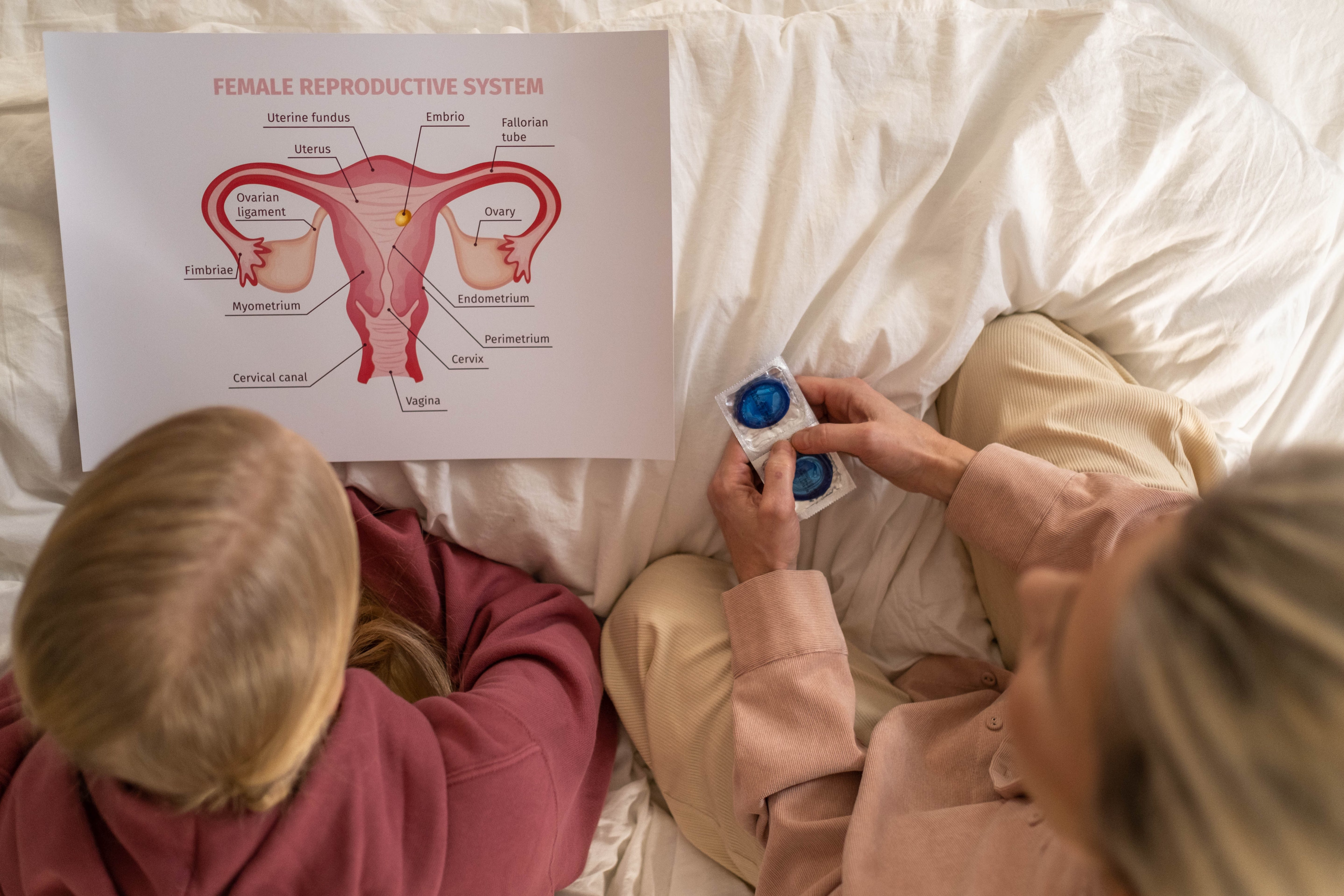
None of these methods protect against STIs. You need a condom for STI protection, and using condoms with fertility awareness methods helps protect against both pregnancy and STIs. While you learn, it's worth using condoms or avoiding vaginal sex for your whole first cycle.
Important: See a healthcare provider if your discharge changes color, smell or texture, smells fishy, looks thick and white like cottage cheese, turns green or frothy, or comes with itching, soreness or bleeding between periods. A foul smell, regular pink or brown spotting, or never seeing slippery fertile mucus is also worth a check-up. Dry, sticky mucus can be white or light yellow - that's normal. |
How nixit Fits Into Fertility Tracking
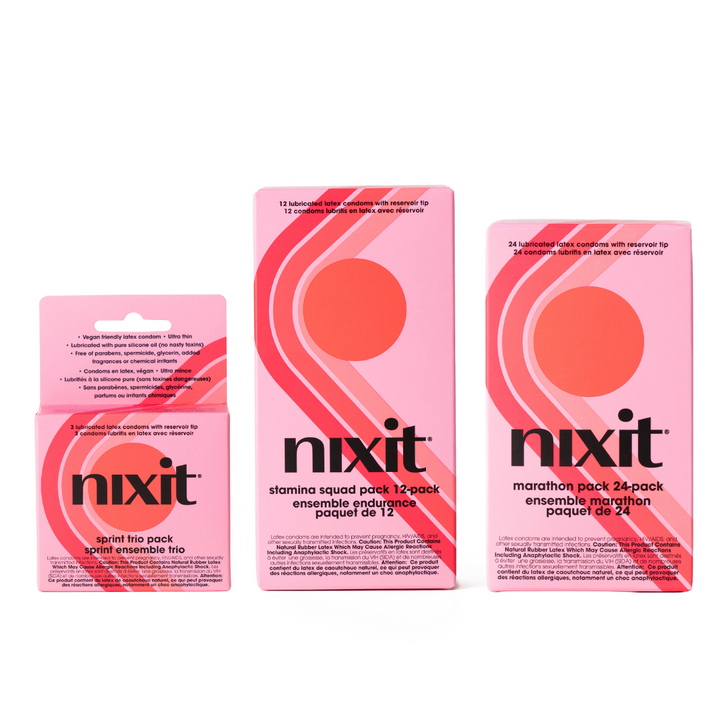
If your chart says "fertile" and you're not planning a pregnancy, a barrier method is the simplest backup. nixit condoms are made from natural rubber latex and are described as 98% effective at preventing pregnancy when used correctly. They're also free of spermicide, fragrance and dyes, and come in 3, 12 and 24 packs.
nixit condoms
$13.00
nixit condoms are made from natural rubber latex and designed for those seeking vegan condoms that don’t compromise on safety or sensation. These ultra-thin vagina-friendly condoms™ offer a barely-there feel with the strength you can trust. Free from harmful chemicals, gluten-free,… read more
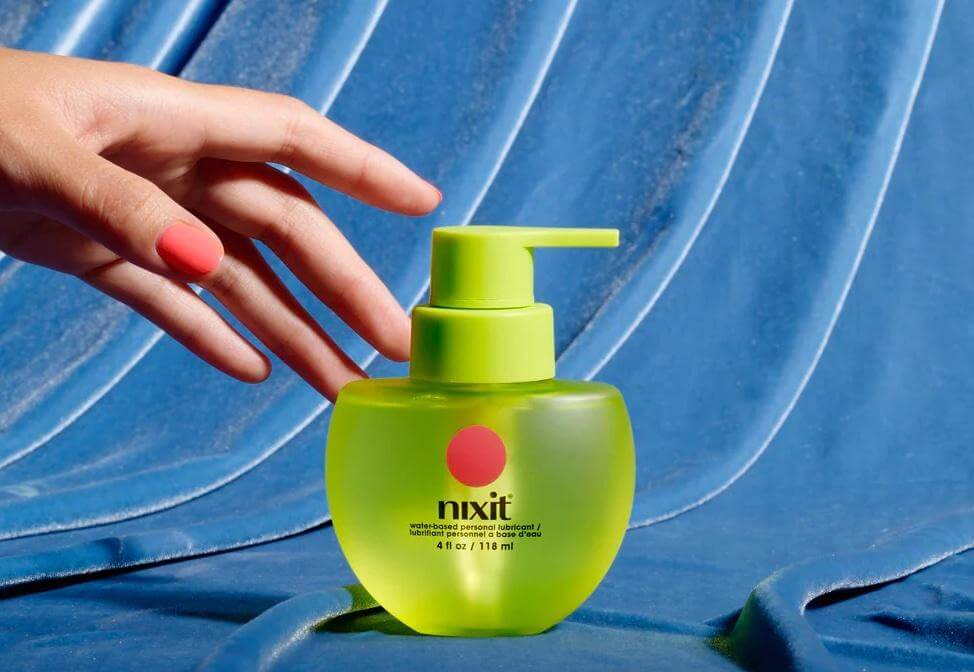
Lube comes into this in two ways. Dryness happens - hormone changes, hormonal contraceptives, breastfeeding and not being aroused can all be causes. A water-based lubricant before sex can help. nixit's water-based personal lubricant is pH-matched to vaginas, glycerin- and paraben-free, and compatible with latex and polyisoprene condoms, so it works alongside nixit condoms. Oil-based lube can weaken latex, so stick with water-based when you're using condoms. Our explainer on water vs oil-based lube goes into the details.
Any lube can blur your fluid readings, as covered above. Do your check before sex, or wait until the next day and note it in your chart.
If you're trying to conceive, you might wonder whether lube gets in the way. A study of 6,467 women trying to get pregnant found that lubricant use was not linked to lower fertility. nixit's lube isn't marketed as a fertility lubricant, so if conception is your goal and you have questions, check with your provider.
Getting to Know Your Pattern
It takes a couple of cycles before your notes start to make sense. Mark every sex or lube day with a question mark, and on any day your chart says fertile, reach for a condom unless you're trying.
Condoms and water-based lube are both in our sexual wellness collection.