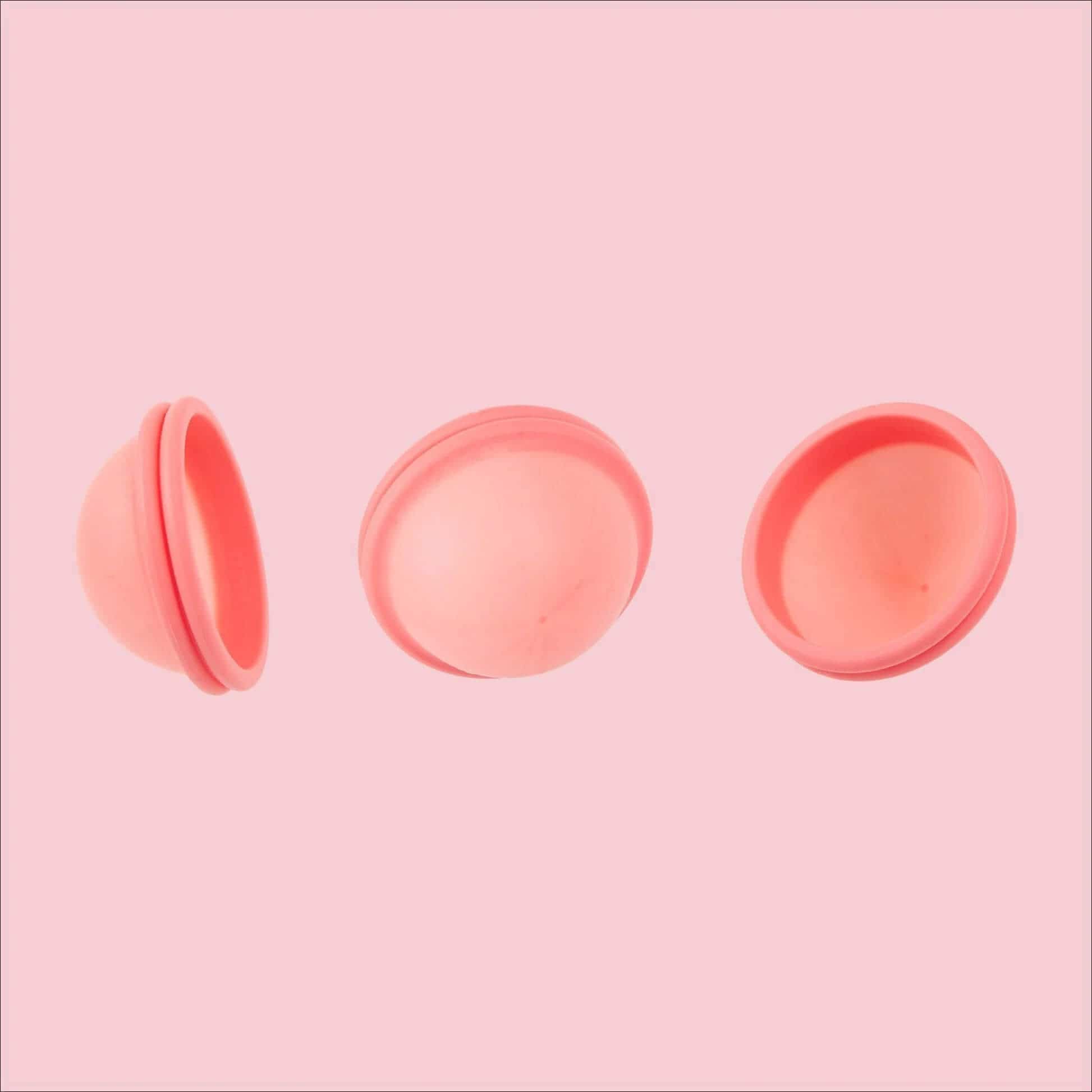
If you’ve been researching menstrual discs, you’ve probably landed on the same two names again and again: nixit and Flex. Both are popular, both are well-reviewed, and both promise up to 12 hours of leak-free protection. But they’re built around very different ideas about what a modern period care product should be.
This post breaks down the differences side by side, including materials, capacity, wear time, sustainability, cost over time, IUD compatibility, and regulatory status. That way, you can pick the option that actually fits your body, your routine, and your values.
We’ll also call out specific situations where Flex might genuinely be the better choice. The goal is a clear, honest comparison, not a sales pitch.
By the end, you’ll know exactly how the two compare, and whether nixit’s menstrual disc is the right disc for you.
Quick comparison: Flex Disc vs nixit at a glance
Feature | nixit | Flex Disc (disposable) | Flex Reusable Disc |
Reusable or disposable | Reusable (up to 5 years) | Single-use / disposable | Reusable (up to 2+ years) |
Material | 100% medical-grade silicone | Medical-grade polymer blend (BPA-, phthalate-, latex-free) | Medical-grade silicone |
Capacity | Up to 70 mL | ~60 mL (5+ super tampons) | Up to 70 mL |
Maximum wear time | Up to 12 hours | Up to 12 hours | Up to 12 hours |
Sizes | One size (70 mm diameter) | One size (~69 mm rim) | One size (70 mm diameter) |
IUD-compatible | Yes (consult provider) | Yes (consult provider) | Yes (consult provider) |
FDA status | FDA-registered | FDA-registered | FDA-registered |
Authorized for sale by Health Canada | Yes | Yes | No |
Approx. price (USD) | ~$40 (one disc) | ~$17 / 12-pack (~$1.40/disc) | ~$35 (one disc) |
Reusable vs. disposable: the core difference
The biggest difference between nixit and Flex isn’t disc size, shape, or capacity. It’s the model the product is built on.
nixit’s menstrual disc is a single reusable disc you buy once and wash between uses, designed for long-term use across years of cycles.
Flex sells two discs that work in opposite directions. The original Flex Disc is a one-time use disposable product made from a medical-grade polymer blend; you wear it for up to 12 hours and throw it away. Flex also sells the Flex Reusable Disc, made from medical-grade silicone, which is intended to last for 2+ years.
The lifespan difference becomes more significant over repeated cycles. According to Flex, the reusable disc should be replaced after 2 to 3 years of use, or sooner if it begins showing signs of deterioration such as powder or film buildup, severe discoloration, or persistent odor. Some online reviewers report experiencing leakage after extended use, though experiences vary.
By comparison, nixit is designed for up to 5 years of use with proper care.
If you’re comparing nixit with Flex’s disposable disc, the decision ultimately comes down to convenience, routine, and long-term preference. Some people prefer the simplicity of using a fresh disc each time, while others prefer having a single reusable product they can rely on cycle after cycle.
Flex’s reusable version narrows the gap in practice, but nixit still stands out for its significantly longer usable lifespan and fewer expected replacements over time.
Materials and softness

nixit’s menstrual disc is made from 100% ultra-soft, medical-grade silicone, the same material used across most reusable menstrual cups and discs. It’s free of BPA, latex, and other irritants.
Flex’s disposable disc is made from a different material: a medical-grade polymer blend that’s slightly firmer than silicone, plus mineral oil and a small amount of antioxidant polymer stabilizer.
Flex makes it without BPA, phthalates, or latex, but the firmer rim is something Flex itself notes is part of the design. It makes the disposable easier for some people to insert and harder to fold for others.
The Flex Reusable Disc, by contrast, is made from medical-grade silicone, which puts it closer to nixit in softness.
If softness matters to you, whether due to postpartum recovery, sensitive anatomy, or simple personal preference, the silicone options like nixit and the Flex Reusable Disc generally feel softer and less rigid than the disposable Flex Disc.
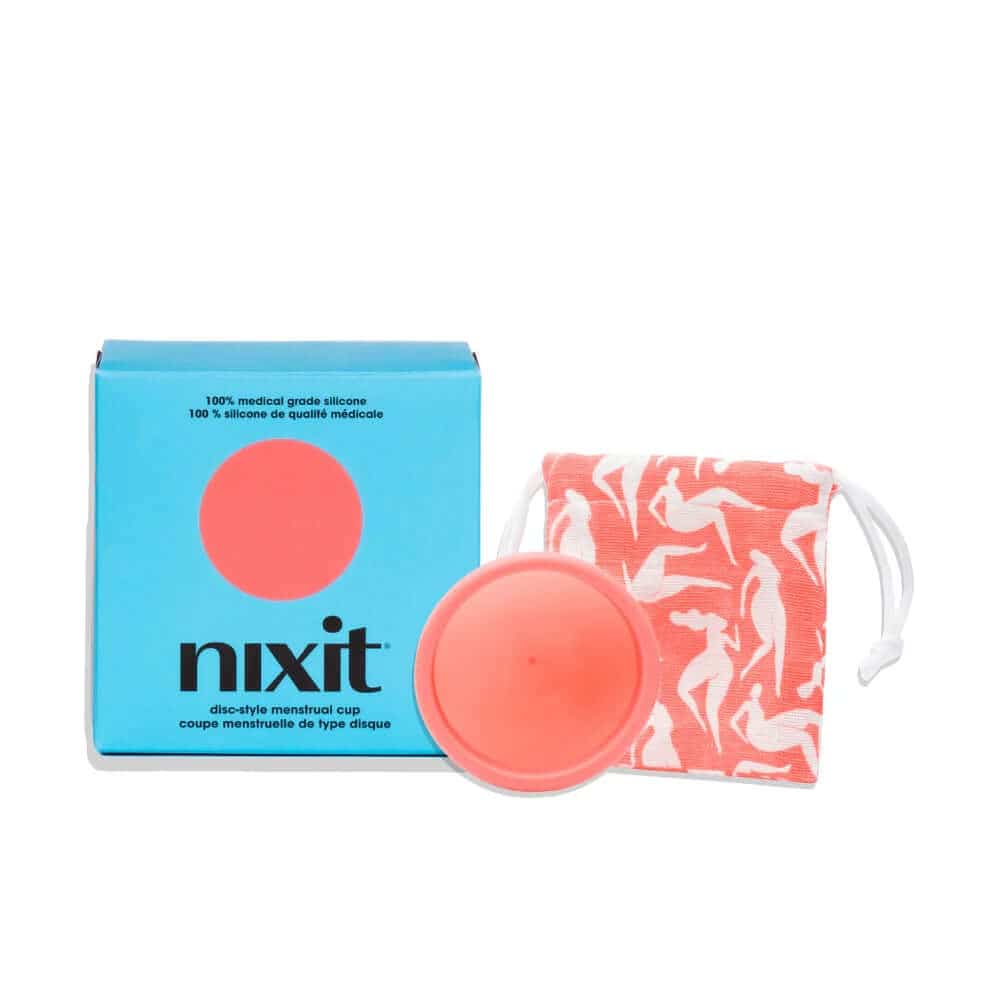
nixit reusable menstrual disc
Capacity and wear time
Both brands are FDA-cleared for up to 12 hours of continuous wear.
On capacity:
- nixit holds up to 70 mL of menstrual blood, which is the equivalent of about 6 super disposable tampons or 2 standard menstrual cups.
- Flex Disc (disposable) holds about 60 mL, which Flex describes as 5+ super tampons of flow.
- Flex Reusable Disc also holds up to 70 mL.
For many users, the difference between 60 and 70 mL may not noticeably affect wear time. If you have a heavy flow or just want a wider buffer between changes, nixit and Flex Reusable land in the same higher capacity tier; the disposable Flex Disc holds a bit less.
Ease of insertion and removal
This is where personal preference and anatomy take over.
nixit is stem-free and suction-free. You pinch it into a fold with your finger and thumb, slide it through the vaginal canal toward your tailbone, and tuck it behind your pubic bone. Your anatomy helps the disc stay in place.
The ultra-soft silicone collapses easily, which can take some practice in the first cycle or two, but the trade-off is a softer, more flexible feel once it’s in.
Flex Disc (disposable) has a firmer rim. Flex positions this as easier for beginners because the rim holds its shape more readily during insertion. Some users love that; others find the firmer disc feels more uncomfortable.
Flex Reusable Disc is also made from silicone, so it feels softer than the disposable version. However, it is still generally firmer than the nixit menstrual disc.
Whichever disc you choose, give it two or three full cycles before you decide. Almost everyone experiences a small learning curve the first time. Learning how to insert and remove the disc comfortably is part of the process.
If you’re new to discs, our guide on how to insert a menstrual disc in under 3 minutes walks through the fold, the insertion angle, and the tuck step by step.
Sustainability and cost over time
This is where the reusable vs. disposable difference shows up most.
A typical period uses around 3 to 5 disposable menstrual discs per cycle. Over the course of a year, that adds up to roughly 36 to 60 discs of waste per person. Over five years, which is the expected lifespan of one nixit disc, a single user could go through approximately 180 to 300 disposable Flex Discs.
Cost adds up the same way. A 12-pack of disposable Flex Discs runs around $17 (~$1.40 per disc). At 4 discs per cycle × 13 cycles per year × 5 years, that’s roughly 260 discs and ~$365 in product cost over five years (your math may vary by flow). One nixit, at $42, is paid off after about seven months.
If sustainability is a deal-breaker, nixit and the Flex Reusable Disc are the clear reusable alternatives. If you want the lowest upfront cost and the convenience of throwing each disc away, the disposable Flex Disc has the edge.
IUD compatibility
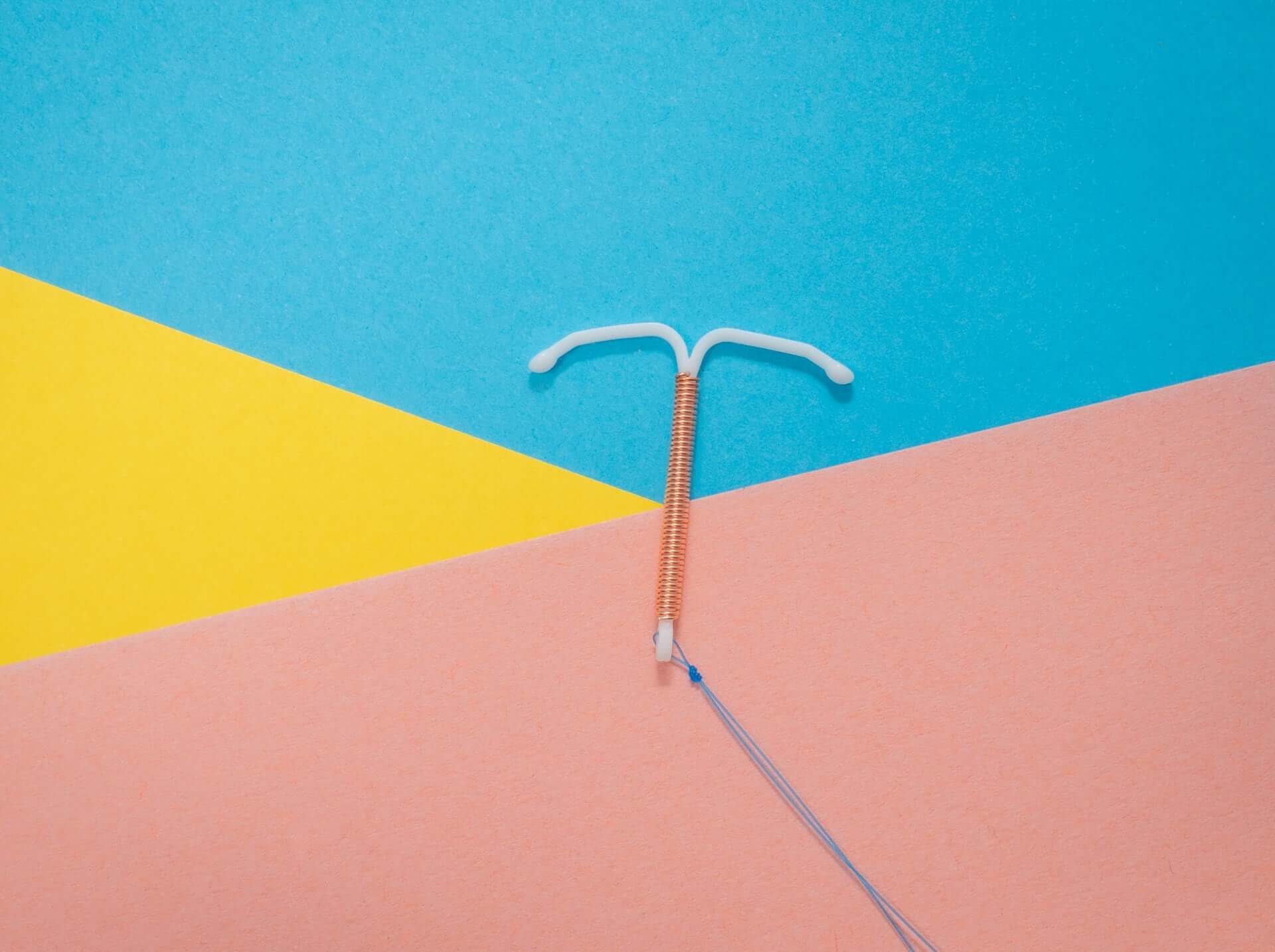
Unlike menstrual cups, both nixit and Flex are designed to be IUD-friendly. Neither relies on suction, so the way discs sit behind the pubic bone is generally considered safer than a cup-and-IUD pairing.
Both brands recommend the same precautions:
- Talk to your healthcare provider before using a disc with your specific IUD.
- Most providers suggest waiting at least one to two cycles after IUD insertion before starting a disc.
- Keep IUD strings trimmed short if your provider recommends it.
This isn’t a meaningful differentiator between the two brands. The underlying physics of a disc (no suction, sits behind the pubic bone) is what makes both options IUD-compatible.
Regulatory status
All three discs are FDA-registered in the U.S. Where they diverge is Health Canada.
Health Canada authorization isn't a rubber stamp. To sell a menstrual disc in Canada, a brand has to clear a Class II medical device review. Health Canada evaluates the materials, manufacturing process, biocompatibility, and clinical evidence for safety and quality, then issues a licence and lists the product on its Medical Devices Active Licence Listing.
nixit holds that authorization, and so does the disposable Flex Disc. The Flex Reusable Disc does not. While it is FDA-registered in the U.S., it has not undergone or cleared the equivalent Health Canada review for authorization in Canada.
If you're in Canada, that's the difference between a product formally authorized for the Canadian market and one that isn't. If you're in the U.S., it's a quiet vote of confidence: nixit has passed two countries' regulatory reviews, not just one.
Both products are FSA/HSA eligible at most major retailers.
When Flex might be the better fit
We’re going to be honest here: Flex isn’t the wrong choice for everyone. There are real situations where it makes more sense than nixit.
- You travel constantly or share a bathroom. Disposables don’t require a sink to rinse between uses. If you’re in airport bathrooms or hostel showers, a Flex Disc (disposable) is genuinely easier.
- You want to try a disc with the lowest possible upfront cost. A 12-pack of Flex Discs is around $17, versus a one-time ~$40 spend on nixit.
- You prefer a firmer rim for insertion. Some people, especially first-time disc users, find Flex’s firmer disposable rim easier to position correctly the first few times.
- You prefer a single-use option for backup. Disposables are ideal for travel, can provide extra protection when paired with period underwear, or serve as a backup to your reusable disc.
- You like that Flex also offers a reusable silicone disc designed for repeated use, and you’re comfortable with a reusable lifespan of around 2 to 3 years.
If any of those describe you, Flex is a reasonable, well-reviewed product.
Why someone might choose nixit
nixit is built for people who want a soft, reusable, no-fuss disc that lasts.
- You want one product that can last up to five years with proper care.
- You prefer an ultra-soft, flexible feel that may be more comfortable during long wear.
- You want a stem-free and suction-free disc.
- You prefer a reusable option made from 100% medical-grade silicone.
- You want a lower long-term cost instead of repeatedly buying disposables.
- You prefer an option that is also authorized for sale by Health Canada.
If comfort, reusability, and sustainability matter most to you, and you’re willing to spend a cycle or two getting comfortable with insertion, the nixit disc is likely the better fit for you.
Ready to try a reusable menstrual disc?
If a soft, reusable, 12-hour disc with 70 mL of capacity sounds like what you’ve been looking for, the nixit menstrual disc is built for it. New to menstrual discs? Start with our guide on how to insert a menstrual disc.
FAQ
Is nixit reusable?
Yes. One nixit is reusable for up to 5 years with proper care. You wash it between uses with mild soap and store it in the pouch included with the menstrual disc.
Is nixit latex-free?
Yes. nixit is made from 100% medical-grade silicone and does not contain latex, BPA, or phthalates.
How long can you wear a Flex Disc?
Both the disposable Flex Disc and the Flex Reusable Disc are FDA-registered for up to 12 hours of continuous wear. After 12 hours, you should remove it.
Is Flex Disc reusable?
The original Flex Disc is single-use; you dispose of it after wearing. Flex also sells a separate Flex Reusable Disc made from medical-grade silicone that’s designed to be reused.
Can you use nixit or Flex with an IUD?
Both are designed to be IUD-compatible because neither relies on suction. Your healthcare provider should sign off based on your specific IUD and anatomy. Most providers recommend waiting one to two cycles after IUD insertion before using a disc.
Which holds more - nixit or Flex Disc?
Nixit holds up to 70 mL. The disposable Flex Disc holds about 60 mL. The Flex Reusable Disc also holds about 70 mL.
Is nixit cheaper than Flex over time?
Yes. One nixit at ~$40 lasts up to 5 years. A typical disposable Flex Disc user spends roughly $70–$90 a year on discs ($17 every 2–3 cycles). Over five years, that’s a meaningful gap. It’s also worth noting that Flex Reusable Discs at ~$35 can only be used for up to 2+ years.
How do you clean a reusable disc?
Reusable discs like nixit and the Flex Reusable Discs should be washed with mild soap and water between uses and sterilized according to the manufacturer’s instructions between cycles. Always allow the disc to dry fully before storing it.
Can a menstrual disc get lost inside your body?
No. A menstrual disc cannot get lost inside your body because the cervix blocks access beyond the vaginal canal. However, a disc can sometimes sit higher behind the pubic bone, especially when you’re tense, which can make removal feel tricky at first.
Can you sleep with nixit or Flex Disc in?
Yes. Both nixit and Flex Discs are designed for up to 12 hours of continuous wear, which includes overnight use within that time window.
All comparison data in this post, including pricing, regulatory status, capacity, and product specifications, is accurate to the best of our knowledge at the time of writing. However, brands may update their products, materials, or listings over time, so it’s always a good idea to confirm specific details directly on each manufacturer’s website before making a purchase.